Are Trina Solar Panels Worth It in Australia in 2026? Benefits, Efficiency and Value
Choosing solar panels for your home is an important decision, especially when you want to reduce electricity costs and get reliable performance over the long term. With many solar brands available in Australia, homeowners need to compare panel efficiency, durability, warranties and the suitability of each system for their property.
Trina Solar is one brand worth considering. Its range includes residential rooftop panels designed to generate electricity efficiently, with newer models offering higher power output. However, whether Trina panels are the right choice depends on your roof, energy consumption, budget and installation requirements.
What Makes Trina Solar Panels Worth Considering?
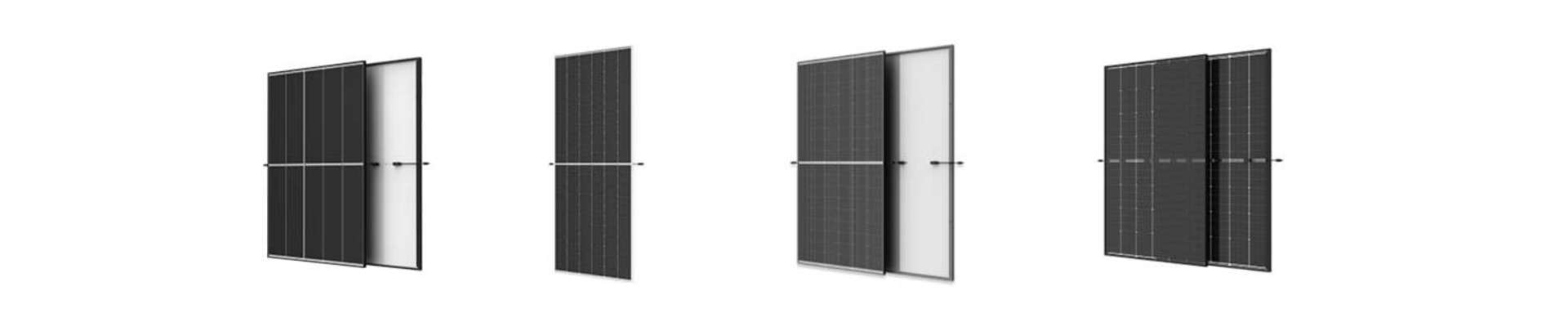
Trina Solar develops photovoltaic panels for residential and commercial applications. Its product range includes the Vertex S and Vertex S+ series, which are designed for rooftop installations.
One advantage of modern high-output panels is that they can generate more rated power from each module. This may be useful for homes with limited roof space where homeowners want to make better use of the available area.
For example, in July 2026, Trina Solar announced mass production of its Australia-specific Vertex S+ G3 515W module. The company lists a module efficiency of up to 24.7%, along with a dual-glass design and long-term product and power warranties. Actual availability and suitability should be confirmed with your installer.
How Efficient Are Trina Solar Panels?
Panel efficiency indicates how effectively a solar panel converts sunlight into electricity within its surface area. Higher-efficiency panels can be particularly useful when a roof has limited space for installation.
However, efficiency is only one factor to consider. The electricity your system generates will also depend on roof orientation, shading, local weather, panel placement, inverter performance and system size.
When comparing Trina panels, ask your installer to explain the specifications of the exact model being quoted. Different models can have different power ratings, efficiencies and warranty conditions.
Are Trina Solar Panels Suitable for Australian Conditions?
Australian roofs experience strong sunlight, seasonal weather changes and, in some locations, high temperatures. Choosing panels designed for rooftop use and having them installed correctly can support long-term system performance.
Some Trina Solar modules feature dual-glass construction and temperature-performance specifications designed to support durability and operation in warm conditions. These features vary by model, so check the relevant product datasheet rather than assuming every panel has the same specifications.
A professional assessment should also consider roof condition, mounting requirements, ventilation, shading and local weather exposure before recommending a system.
What Warranties Should You Check Before Buying?
Solar panels are a long-term investment, so warranty details matter. Depending on the model, Trina Solar offers product warranties covering manufacturing defects and power warranties covering the panel’s guaranteed output over time.
Before choosing a panel, confirm:
- Product warranty: How long the manufacturer covers eligible product defects.
- Performance warranty: The minimum power output guaranteed over the stated period.
- Installation warranty: What protection is provided for installation-related workmanship.
- Warranty conditions: Any exclusions, claim requirements and responsibilities if the installer or supplier ceases trading.
Remember that a panel warranty is different from an inverter warranty and the warranty covering installation work. Review each separately before committing. The Australian Government’s solar guidance also recommends checking what is and is not covered.
Can Trina Solar Panels Help Reduce Electricity Bills?
Solar panels can reduce the amount of electricity a household needs to purchase from the grid by generating power during daylight hours. The actual savings depend on how much electricity the system produces and how much of that electricity the household uses.
Homes that run appliances during sunny periods may be able to use more of their solar generation directly. A compatible battery may store some surplus energy for later use, but it adds to the upfront cost and should be assessed against the household’s energy needs.
Ask for a customised estimate that explains expected generation, daytime self-consumption, export assumptions, system costs and estimated savings. Avoid relying on a guaranteed payback period without considering your circumstances.
How Do You Choose the Right Trina Solar System?
Before selecting a system, review your recent electricity bills and identify when your household uses the most power. Consider future needs such as an electric vehicle, additional air conditioning or battery storage.
Your installer should assess your roof space, shading, switchboard and inverter compatibility, then recommend a system size that fits your needs. Compare complete installation quotes rather than panel prices alone, including equipment, warranties, installation standards and after-sales support.
If you are comparing options, Gnowee Solar’s Trina Solar panel range is a useful starting point for discussing suitable models and system options for your property.
Final Thoughts
Trina Solar panels are worth considering in Australia in 2026, particularly if you are looking for modern rooftop technology, competitive power output and clear long-term warranty coverage. The best choice, however, depends on the specific panel model and how well the complete system suits your home.
Compare specifications, understand the warranty terms and request a site-specific assessment before making a decision. A properly designed and installed system can help you make better use of solar energy and manage household electricity costs over time.